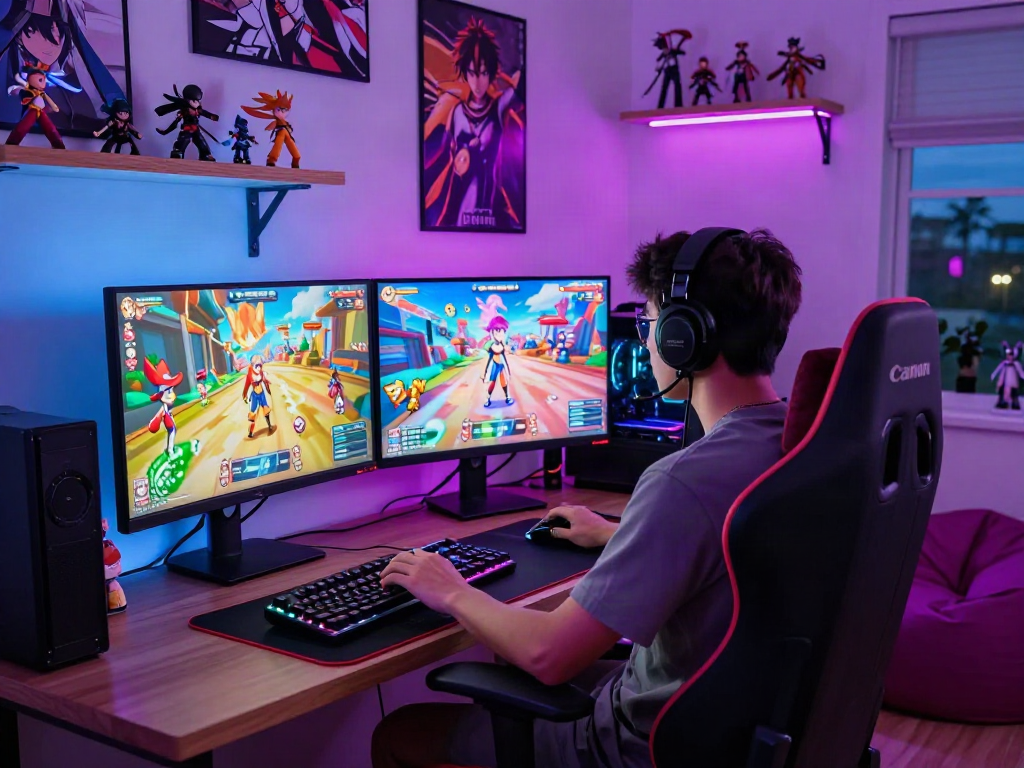
Understanding Hentai Games: Definition and Evolution
Hentai games, often characterized by explicit content, have gained a unique place in the gaming landscape. These interactive experiences blend storytelling, art, and gameplay, targeting a niche audience that seeks more than just traditional gaming experiences. As digital entertainment continues to evolve, so do the complexities and nuances of these games, from their origins to their current manifestations in the gaming industry. Understanding the evolution of hentai game provides insight into broader trends within both the gaming world and popular culture.
What Are Hentai Games?
Hentai games are adult-themed video games that typically contain sexually explicit content. They often feature anime-style graphics and narratives that explore various adult themes. While they primarily cater to audiences seeking erotic entertainment, many of these games also prioritize intricate storylines, complex character development, and engaging gameplay mechanics, making them interesting even to those who may not primarily be drawn to adult content.
Historical Context of Hentai Games
The roots of hentai games can be traced back to the early days of computer gaming in Japan during the 1980s. Initially, they emerged in the form of text-based adventures and graphics-based games, appealing to a limited audience. As technology advanced, so did the sophistication of these games. The 1990s saw the rise of visual novels, a genre that allowed for deep storytelling enhanced by character art and voice acting, paving the way for modern hentai games.
Key Genres within Hentai Games
Hentai games encompass various genres, each bringing its unique flavor to the experience. Some of the notable genres include:
- Visual Novels: Focused heavily on story, these games often feature branching narratives and choices that affect outcomes.
- Simulation Games: These games replicate real-world activities, often with a sexual twist, allowing players to engage in activities like dating or running a business.
- Action and Adventure Games: Combining traditional gameplay with adult themes, these games use gameplay mechanics common in mainstream action games.
- Role-Playing Games (RPGs): These games often include character progression and world-building, intertwining adult themes within broader, mythical narratives.
Why Hentai Games Are Gaining Popularity
The popularity of hentai games has surged in recent years, fueled by shifts in gaming culture and societal attitudes towards adult content. The increased accessibility of these titles, coupled with a growing acceptance of diverse forms of entertainment, has drawn in a wider audience.
Current Trends in Gaming Culture
Today's gaming culture embraces inclusivity and diversity, with a noticeable shift toward content that reflects a variety of experiences, including sexuality. The incorporation of adult themes in gaming has ceased to be a taboo subject, encouraging developers to explore new narratives and character dynamics. As a result, hentai games have found a more comfortable space within the mainstream gaming community.
Demographics of Hentai Game Players
Research indicates that the demographic of hentai game players is diverse, with both genders participating. However, studies suggest that males make up a significant portion of the audience, particularly those between the ages of 18-35. This demographic is often characterized by an interest in anime and manga culture, which aligns with the artistic styles commonly employed in hentai games.
Impact of Streaming and Social Media on Hentai Games
Streaming platforms and social media have played a pivotal role in the rising popularity of hentai games. Content creators can now showcase gameplay or discuss adult themes without inhibitions, generating conversations and fostering communities around these games. Platforms like Twitch and YouTube facilitate exposure, while social media allows players to share experiences, enhancing the appeal of these games.
Creating Engaging Hentai Game Experiences
Developing a successful hentai game involves more than just incorporating adult content; it requires careful attention to design, narrative, and player engagement. By focusing on essential design elements and user feedback, developers can craft experiences that resonate deeply with players.
Essential Design Elements for Hentai Games
Visual aesthetics play a crucial role in hentai games. High-quality artwork and character design significantly enhance player immersion. Additionally, creating intuitive user interfaces and seamless gameplay mechanics ensures that the player’s focus remains on the narrative and interactions rather than on clunky controls or graphics.
Balancing Gameplay and Storytelling
For many players, the allure of hentai games lies in their storytelling. Balancing gameplay with narrative development is essential; players should feel invested in the characters and their journeys. Incorporating choices that impact the story's direction adds a layer of engagement, allowing players to influence outcomes based on their decisions.
Incorporating User Feedback into Game Development
User feedback is invaluable in refining the gaming experience. Developers should actively seek input from players to understand their preferences, challenges, and suggestions for improvement. This feedback loop can be instrumental in shaping future updates, expansions, and entirely new titles in the hentai genre.
Challenges Faced by Hentai Game Developers
Despite their growing popularity, hentai game developers face unique challenges, including legal and ethical considerations, societal stigma, and technical issues. Addressing these challenges is crucial for the longevity and acceptance of the genre.
Legal and Ethical Considerations
Hentai games often walk a fine line regarding legal and ethical standards. Developers must navigate issues related to copyright, consent, and explicit content, which can vary significantly by jurisdiction. Some countries impose strict regulations that can hinder the distribution of adult-themed games, complicating the global reach of these titles.
Combatting Stigma in the Gaming Community
Despite the increasing mainstream acceptance of adult content, stigma persists within certain gaming circles. Hentai game developers must work to combat stereotypes and promote a more nuanced understanding of their audience. Open discussions and collaborations with broader gaming communities can help reduce biases and foster an inclusive environment.
Technical Challenges in Game Development
Creating high-quality hentai games requires advanced technical skills, including programming, animation, and sound design. Additionally, the need for explicit content creates extra hurdles in ensuring that games run smoothly across different platforms while maintaining the artistic integrity of the character designs and narratives.
The Future of Hentai Games: Trends to Watch in 2026
As we look toward 2026, several emerging trends are poised to shape the hentai game landscape. The confluence of technology, changing player expectations, and shifting societal attitudes will drive innovation in this genre.
Emerging Technologies Influencing Hentai Games
Virtual reality (VR) and augmented reality (AR) technologies are likely to become more prominent in hentai games, offering players immersive experiences that traditional gaming cannot match. These technologies can facilitate unique interactions, creating a more personal connection between players and characters.
Predictions for Genre Evolution
As gaming culture continues to evolve, so too will the narratives within hentai games. Expect to see more diverse themes, characters, and storylines that reflect the changing landscape of gender and sexuality. Developers may explore deeper emotional connections, resulting in a richer overall gaming experience.
Potential Market Growth and Community Expansion
The market for hentai games is primed for growth, driven by increasing acceptance and reduced stigma surrounding adult content. As more gamers embrace diverse experiences, communities centered around hentai games are likely to expand, fostering collaboration and innovation among developers and players alike.
What are the main features of popular hentai games?
Popular hentai games often stand out due to compelling storylines, high-quality art, and engaging gameplay mechanics. The integration of choice-based narratives where players can shape character arcs and endings is a common feature, enhancing engagement and replayability.
How do hentai games differ from mainstream games?
While mainstream games focus on a broad audience, hentai games specifically target niche demographics interested in adult content. This distinction allows hentai games to explore themes and narratives that may be considered taboo in mainstream contexts.
What are the demographic trends of hentai game players?
Research indicates a predominance of male players, particularly those in their late teens to early thirties, although female participation is growing. Players typically have an interest in anime and manga, which aligns closely with the visual styles of hentai games.
Are there legal issues surrounding hentai games?
Yes, legal issues can include copyright concerns, age restrictions, and content regulations that vary by country. Developers must thoroughly understand the legal landscape to ensure compliance and avoid penalties.
How can developers ensure a positive gaming experience in hentai games?
To ensure a positive experience, developers should focus on quality storytelling, responsive gameplay mechanics, and community engagement. Listening to player feedback and adapting to their needs can significantly enhance satisfaction and loyalty within the player base.